The 2018 Coursera Partner’s Conference at Arizona State University in Tempe, AZ, highlighted Coursera’s steps towards new paid credential options. In addition to the free MOOCs the platform has traditionally offered, students now have the option to pay for certificates (in individual courses), specializations (a collection of courses in a particular subject area), and even full degrees through a growing number of colleges and institutions on the platform. Coursera believes this tiered model of options offers students an affordable, flexible and valuable way to engage in life-long learning.
Online Learning
The Role of Online Video in Education in 2017
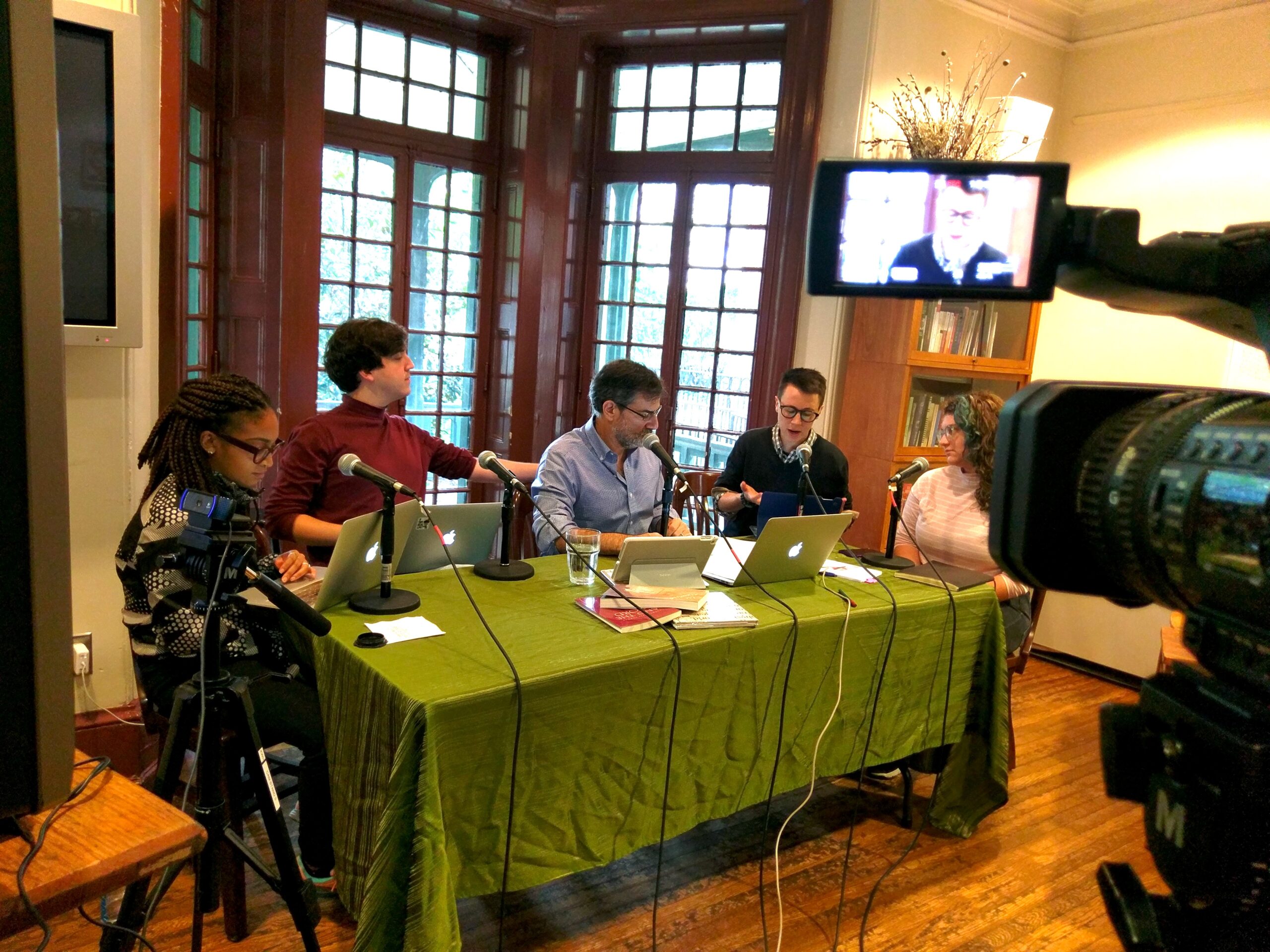
Online video has completed changed how people learn. With just a few clicks, it’s now possible to access and learn from an incredible variety of experts, innovators and thought-leaders from across the globe. As a result, it’s no surprise that online video has been embraced by educational institutions as an incredibly valuable tool.
Online Courses in the Age of the MOOC
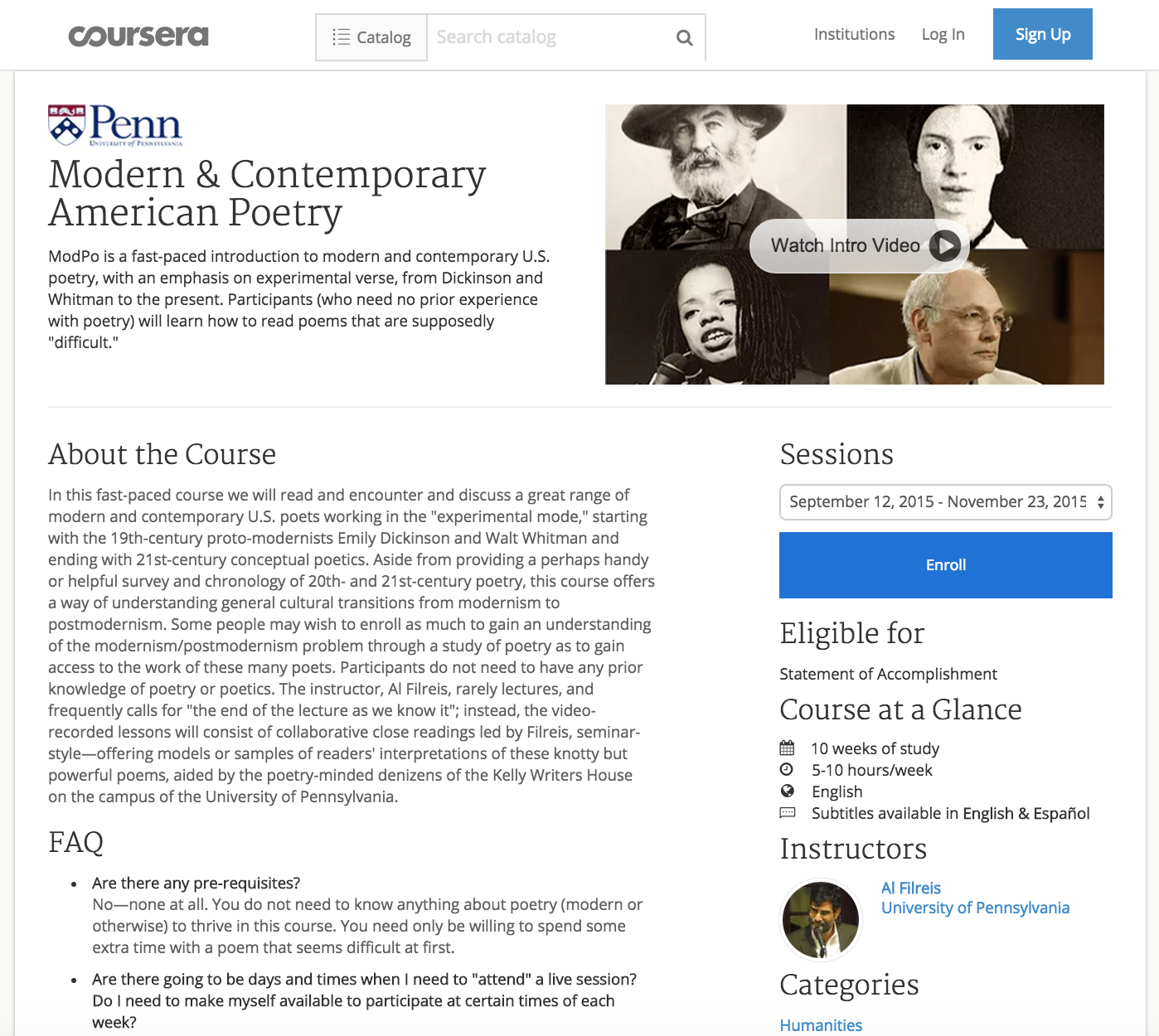
At the University of Pennsylvania, we’ve been offering for-credit online courses for many years. However, the landscape of online course offerings became much more interesting in 2012 when the University partnered with the online course platform, Coursera, to start offering select courses as MOOCs — not-for-credit courses that are free and open to the world.
The Important Role of Live Webcasts in MOOCs & Online Learning
As an I.T. Professional at the University of Pennsylvania, I’ve been lucky to work on Al Filreis’ 10-week Modern and Contemporary Poetry MOOC (Massive Open Online Course) on Coursera. The free, not-for-credit course is comprised of nearly 100 pre-recorded video lectures, weekly quizzes and 4 writing assignments.
Creating Engaging + Interactive Live Webcasts
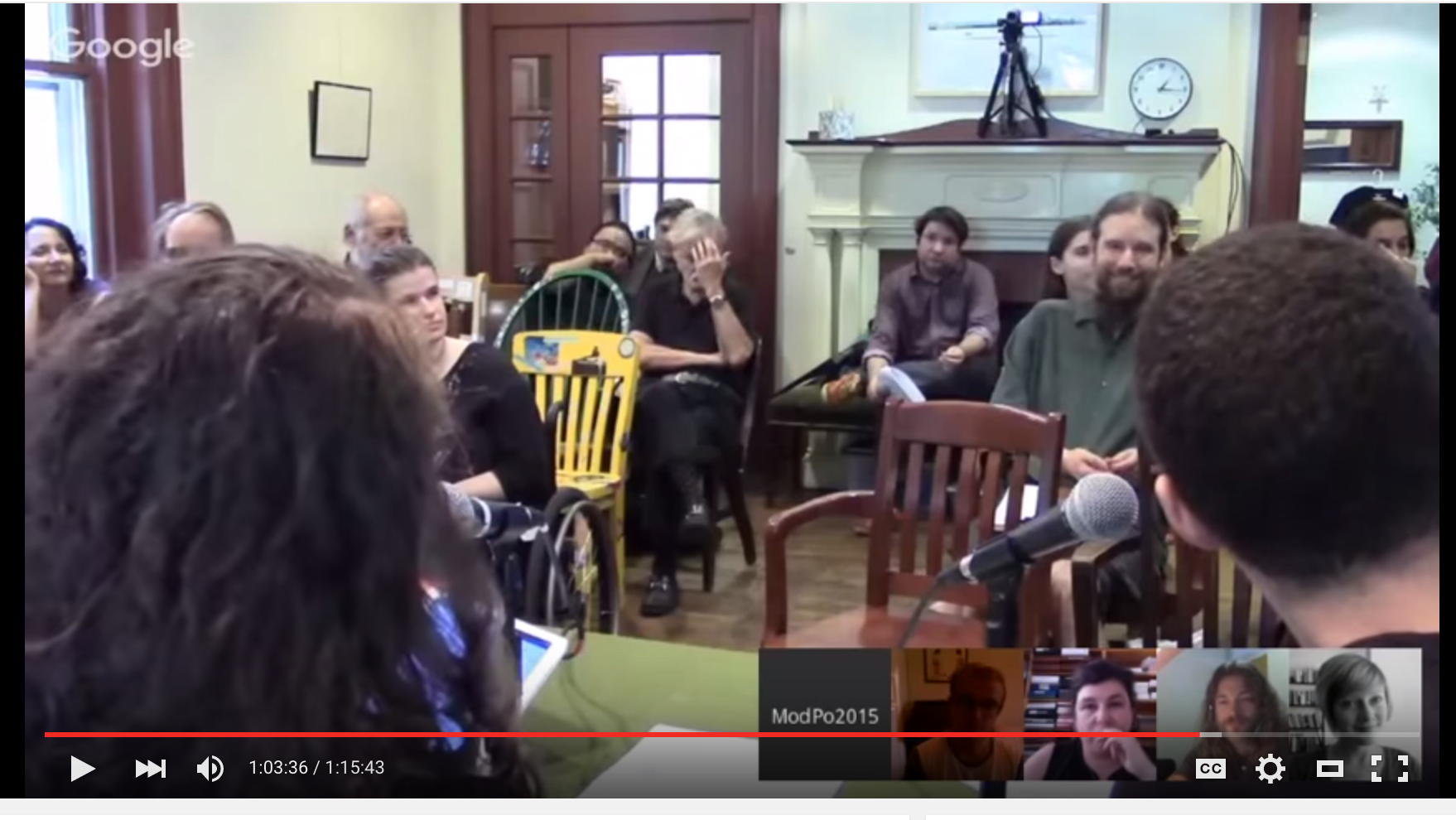
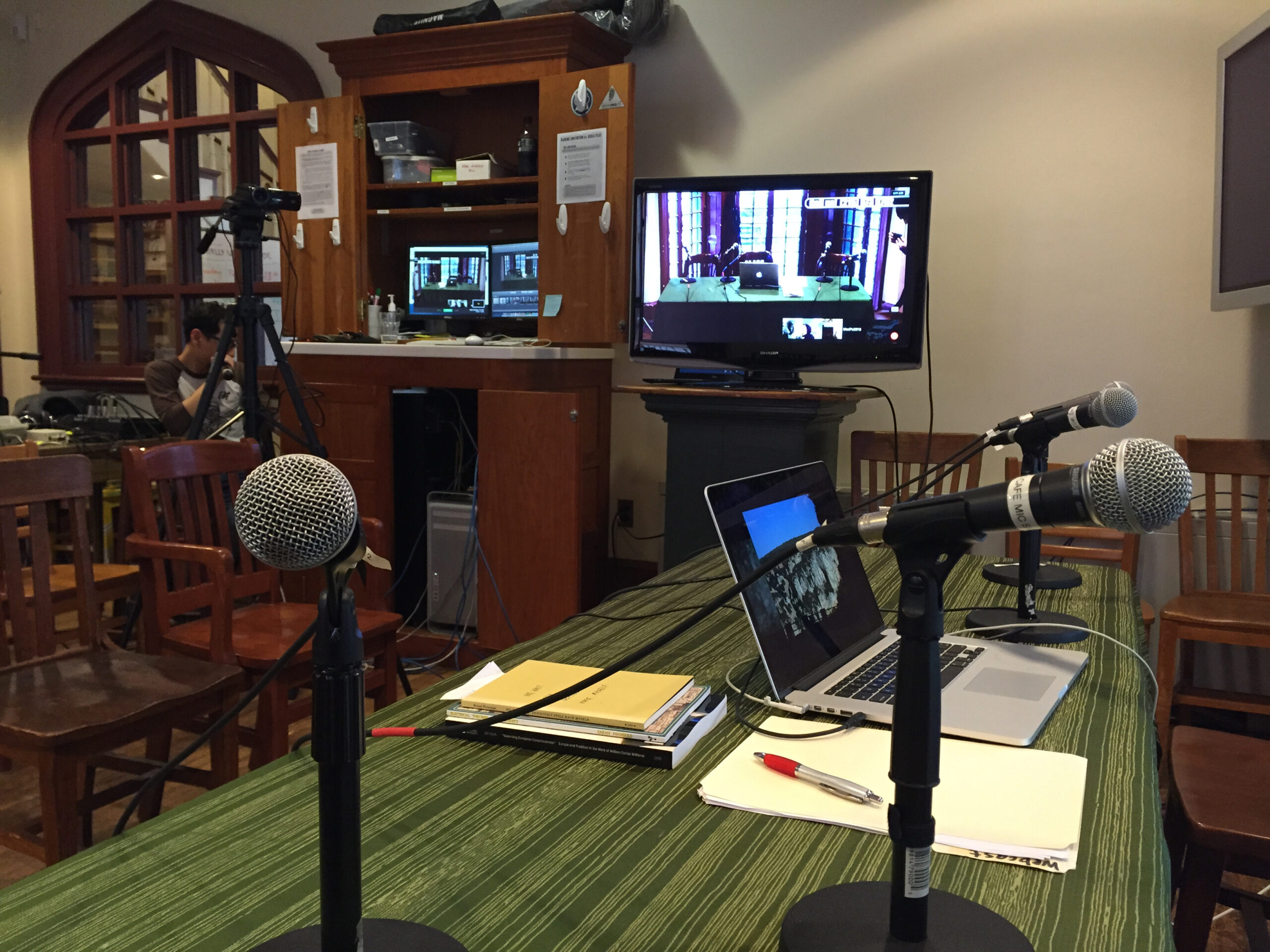
The Wikipedia article for “webcast” states that “webcasting usually refers to non-interactive linear streams or events” and that “essentially, webcasting is broadcasting over the internet.” There is absolutely no reason for webcasts to be “non-interactive.” You’re doing yourself and your audience a disservice if this is the case. At the University of Pennsylvania, we’ve done dozens of interactive webcasts, trying many new tools along the way.